Toys play an important role in a child’s growth, especially during the early years of learning. While play is often seen as a break from learning, the right toys connect both activities in a natural way. Children learn best when they are engaged, curious, and comfortable, and toys provide that environment. Understanding how toys help kids in early education allows parents and educators to support learning without forcing rigid methods that may reduce interest.
This article explains how toys connect play and education, focusing on practical learning outcomes and skill development.
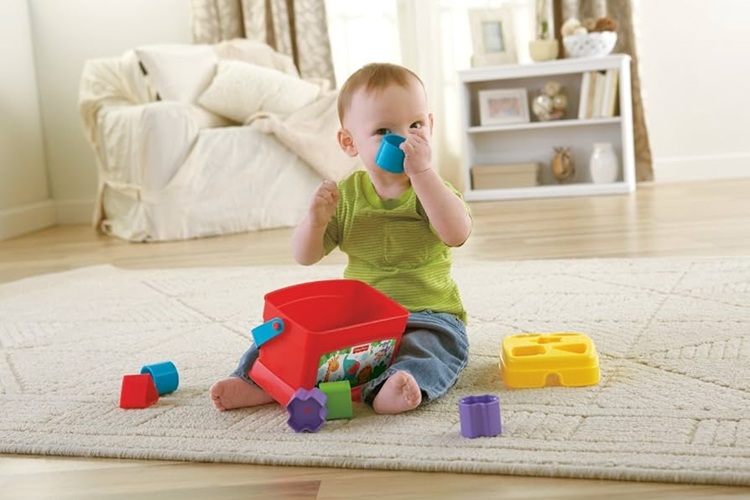
Learning Through Hands-On Interaction
Children understand concepts better when they can touch, move, and experiment. Educational toys offer hands-on interaction that helps children grasp ideas such as shapes, colors, numbers, and patterns. Blocks, puzzles, and sorting toys allow children to learn by doing rather than memorizing.
This form of interaction supports early cognitive development. Children learn cause and effect, problem-solving, and basic logic through repeated play. The learning process happens naturally, without pressure, which improves retention and understanding over time.
Supporting Early Cognitive Development
Cognitive skills develop rapidly in early childhood. Toys that involve matching, stacking, or sequencing help strengthen memory and attention span. These toys introduce basic academic concepts in a relaxed setting.
For example, number-based toys support early math skills, while alphabet toys help with letter recognition and sound association. This approach explains how toys help kids in early education by laying the foundation for reading, writing, and arithmetic without formal instruction.
Improving Motor Skills and Coordination
Physical interaction with toys supports fine and gross motor development. Toys that require grasping, pushing, pulling, or assembling help strengthen hand-eye coordination and muscle control.
Fine motor skills are especially important for tasks such as writing and drawing later on. Simple activities like placing pieces into slots or building structures improve finger strength and control. These skills support classroom readiness and everyday activities.
Encouraging Language and Communication Skills
Many toys promote language development by encouraging children to name objects, describe actions, or engage in role-play. Pretend play toys such as dolls, toy kitchens, and vehicles help children form sentences and express ideas.
Through play, children learn new words and improve pronunciation. Interaction with adults or other children during play also builds listening and conversational skills. This kind of learning supports communication without formal lessons.
Building Social and Emotional Skills
Toys help children understand social interaction and emotional responses. Group play teaches sharing, patience, and cooperation. Board games and role-based toys encourage turn-taking and rule-following.
Children also learn to manage emotions through play. Winning, losing, and problem-solving during play help children handle frustration and build confidence. These emotional skills are necessary for classroom settings and peer relationships.
Promoting Creativity and Independent Thinking
Creative toys allow children to explore ideas freely. Art supplies, building sets, and imaginative play items give children the freedom to create their own outcomes.
This type of play supports independent thinking and decision-making. Children learn to experiment, make choices, and solve problems without fixed answers. Creativity developed during play later supports learning across subjects such as writing, science, and design.
Creating a Positive Learning Environment
Toys make learning feel safe and enjoyable. Children are more open to new concepts when they associate learning with positive experiences. This helps reduce resistance to structured education later on.
A positive early learning environment builds curiosity and confidence. When children feel comfortable exploring new ideas through play, they are more likely to remain interested in learning as they grow.
Conclusion
Toys act as a bridge between play and education by combining enjoyment with meaningful learning. They support cognitive growth, motor skills, language development, and social understanding in a natural way. Understanding how toys help kids in early education shows that learning does not always require formal instruction. With the right toys, children gain essential skills while staying engaged and motivated. This balance between play and learning supports long-term academic readiness and personal development.






 Tele Features